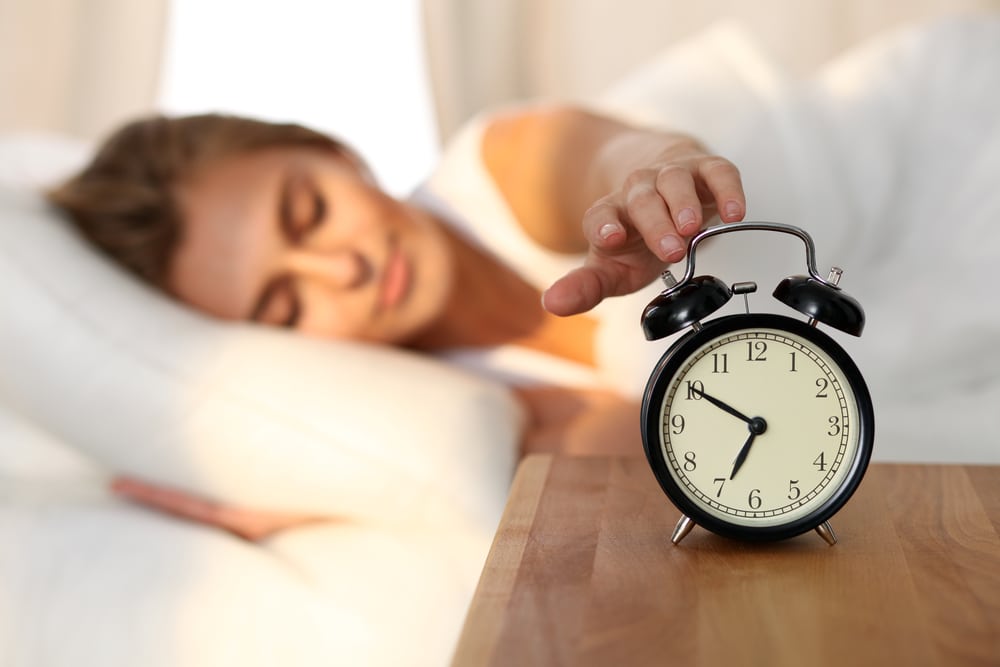


The clocks go back one hour at 2 am on Sunday 25 October 2026 (GOV.UK). At that point, 2 am British Summer Time becomes 1 am Greenwich Mean Time. You get an extra hour on the clock, but that does not necessarily mean an extra hour of sleep.
At a glance
- UK clock change: Sunday 25 October 2026, at 2 am
- What happens: the clocks go back one hour, from 2 am to 1 am
- What to check: phones and computers usually update automatically; manual clocks, car clocks and alarm clocks often need changing by hand
- Next UK change: Sunday 28 March 2027, when the clocks go forward
How can the clocks change affect your sleep?
Your body clock, or circadian rhythm, responds to the timing of light, sleep, meals and daily activity. When the clocks go back, those cues suddenly sit an hour differently against the time your body clock is currently running to.
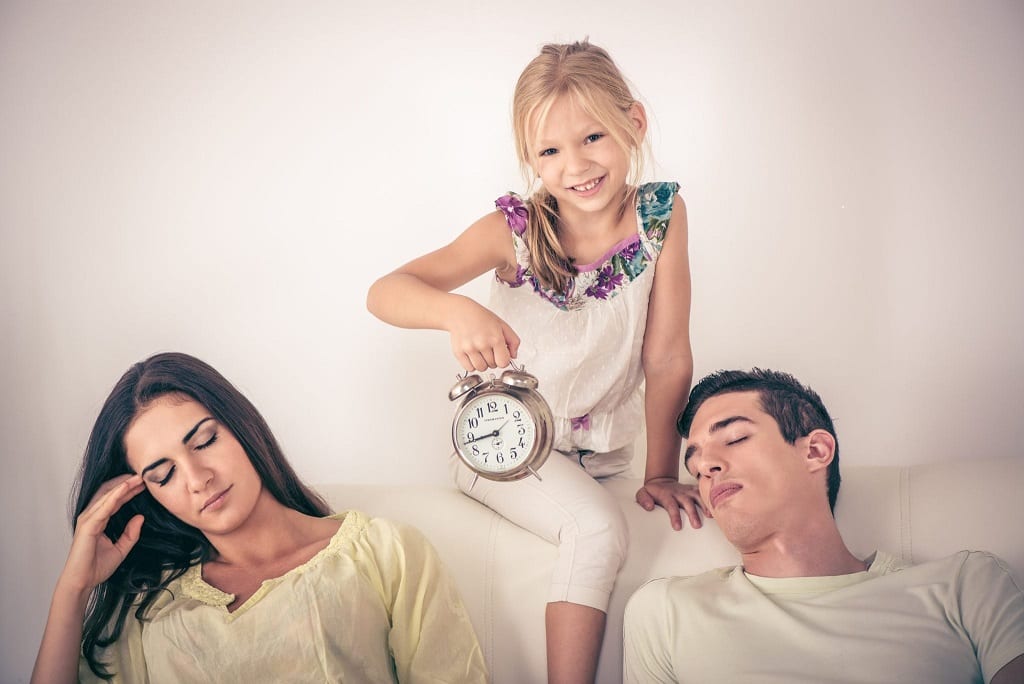
The autumn change is usually easier to cope with than losing an hour in spring, because our body clock naturally finds it easier to adjust to gaining time than losing it. Even so, you may feel sleepy earlier in the evening, or wake earlier than you would like, for a few days. Your children, especially if they follow a routine, may often wake at what has suddenly become an earlier clock time too as their body clocks adjust.
How can you prepare for the clocks going back?
When the clocks go back on Sunday 25 October, you theoretically get an extra hour of time, but your body clock is set up for a bed and wake time that it is currently running to. Whilst the clocks change instantly, it can take a few days for your body clock to fully adjust.
If you or your children usually wake early after the autumn clock change, try moving your bedtime and wake time around 15 minutes later each day for a few days before the change. You can move meals and other regular activities a little later too, bringing you gradually towards the new clock time. However, there is no need to force yourself to stay up if you are tired or lose sleep to follow the plan.
If you only have the weekend to make the adjustments, you could go to bed a little later on Friday, and if your plans allow, move your Saturday routine later too. Spend some time outside during the day, to help your body clock adjust.
For a step-by-step plan use our last-minute weekend checklist.
You should always try to keep your usual amount of sleep in the nights beforehand. If you work shifts or have an early start, check how your workplace will handle the repeated hour between 1 am and 2 am, and double-check any alarms you rely on.
What should you do after the clocks change?
Start by adjusting your Sunday routine to the new clock time across the day. Going for a walk or exercising outside in natural daylight would be a great start here.
Then, in the evening, adjust the timings of your evening routine too. I recommend stopping use of all tech and dimming the lights an hour before bed to help the body clock and slow down the brain. Here you would do something relaxing, such as reading or having a warm bath, rather than watching a screen until bedtime.
Try to avoid a long lie-in on the Sunday morning as this can make it harder to settle into your ‘new-normal routine’. However, if you find you are waking earlier than planned, give yourself a few days to adjust. There is no need to worry about one or two unusual nights of sleep.
How can you help children adjust?
If your child is sensitive to changes in routine, start moving bedtime, wake time and meals a little later over several days. Keep the familiar steps of their bedtime routine in the same order. If they wake early after the change, respond as you usually would at night and give the new routine time to settle.
For a fuller plan, read how to help children with the autumn clock change.
Why do we change the clocks?
British Summer Time, or Daylight Saving Time (DST), was introduced in the UK in 1916 as a wartime measure to save fuel and energy by reducing the need for artificial light by extending the evening daylight. It moves an hour of daylight from the morning to the evening during the warmer, lighter months; the UK returns to Greenwich Mean Time each October, when the Clocks Go Back.
However, the need to keep changing the clocks is hotly debated. Sleep researchers have raised concerns about the disruption caused by the twice-yearly changes, and both the British Sleep Society and the American Academy of Sleep Medicine propose that we keep standard time all year round, because morning light suits the body clock better. For now, the UK continues to change its clocks in March and October.
I have found that the clocks change can hit those who work shifts the hardest. I run Corporate Sleep Workshops on ‘How to optimise sleep for night shifts’ and also on how to help employees best understand their body clocks and build practical and effective sleep habits.
Frequently asked questions
When do the clocks go back in the UK?
In the UK, clocks go back by one hour at 2am on the last Sunday in October, ending Daylight Saving Time.
How does the clocks changing affect sleep?
The autumn change gives an extra hour in bed but can still disrupt routines. Keep consistent wake times, get morning light, and adjust bedtimes gradually if you are sensitive to the shift.